
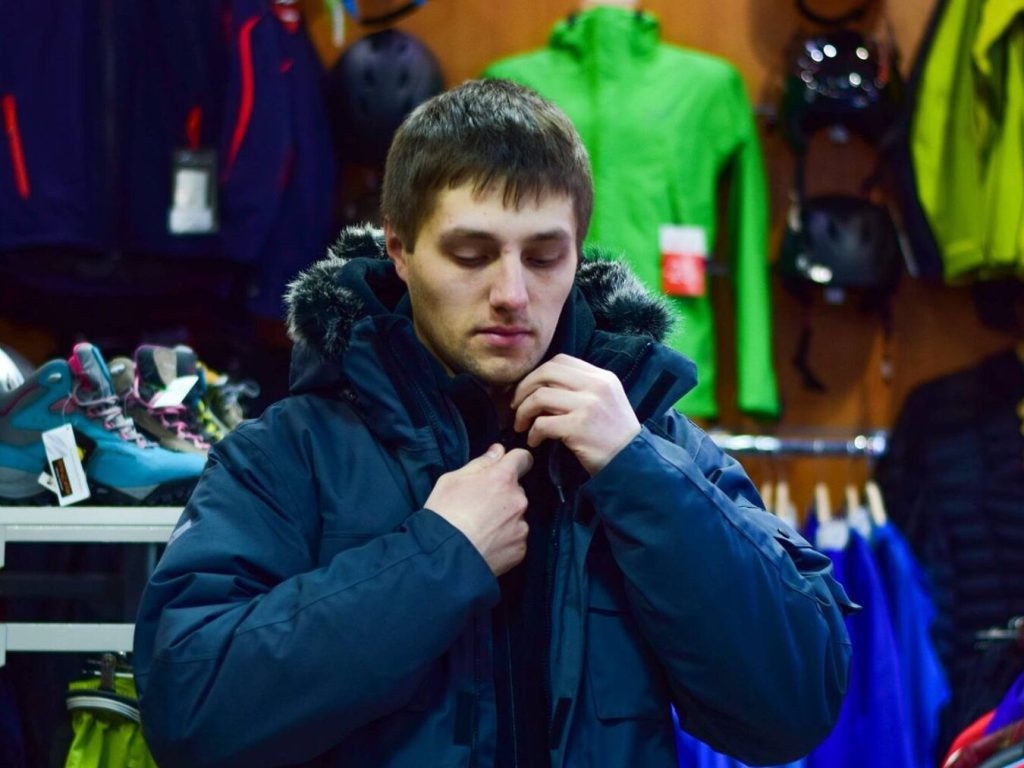
My expedition to Antarctica would have been impossible without the right gear to tackle the extreme Antarctic weather. To keep me warm and comfortable, I was fully kitted out by the Robinson outdoor store in collaboration with the Ukrainian manufacturer Komandor, under their Neve brand.
What is the weather like in Antarctica? Decoding Antarctic Weather
During my time on the frozen continent, the Antarctic weather generally fell into five categories. “Level 5” was the rarest—absolute mayhem. In those moments, even my full setup wasn’t quite enough.
My go-to kit consisted of two jackets (provided by my sponsors at Robinson and Neve.com.ua). Also, a heavy fleece, thermal base layers, sturdy boots, a rotation of buffs and beanies, and two pairs of pants: heavy-duty ski trousers and lighter trekking pants.
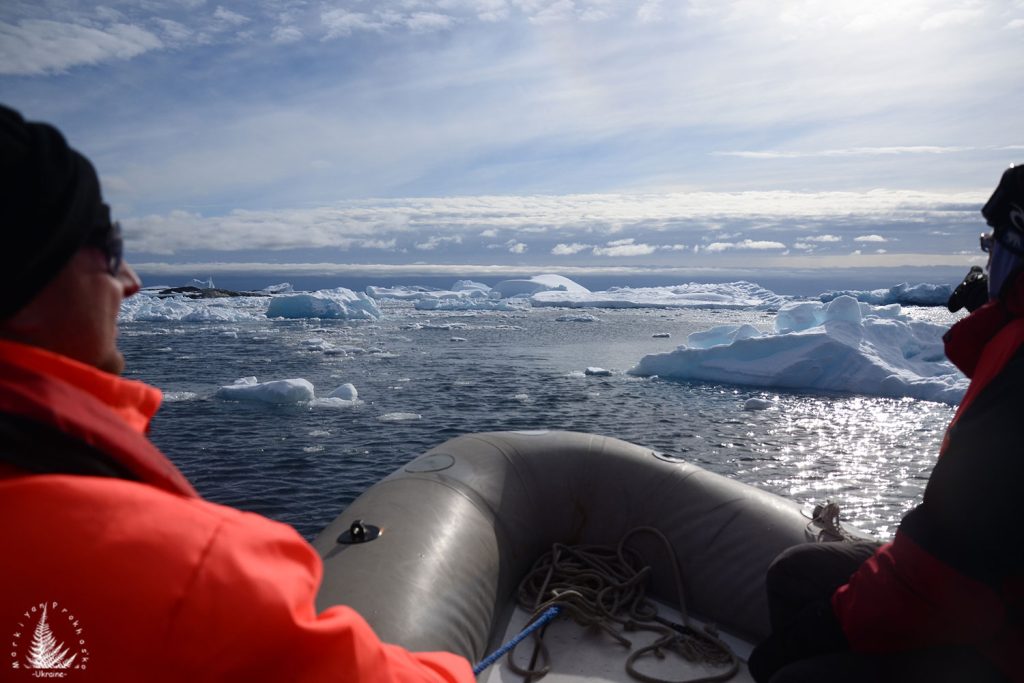
There were times when the elements really tested me. Twice, I was on watch duty, gripping the helm during a massive storm with driving rain and crashing waves. I was getting drenched, so I had to switch to specialized foul-weather gear. Another time, during a mission from Vernadsky Research Base to the remote Berthelot Island. I was told to wear everything I owned, topped off with a survival suit. At first, I was roasting, but after a few hours in an open boat at sea, the chill began to sink in.
When the Cold Hits (Level 4)
“Category 4” weather usually hits during night watches or rough days at sea. While my gear was generally sufficient, staying stationary for too long was a challenge.
The worst part? Night shifts in the sleet and snow. After about 40 minutes of standing in the biting wind, I’d lose feeling in my toes. By the end of the shift, my mind wasn’t just on the course or the wind angle—I was thinking about the bathroom. For a while, I wondered if I was the only one struggling with this, as it’s not exactly a common topic of conversation.
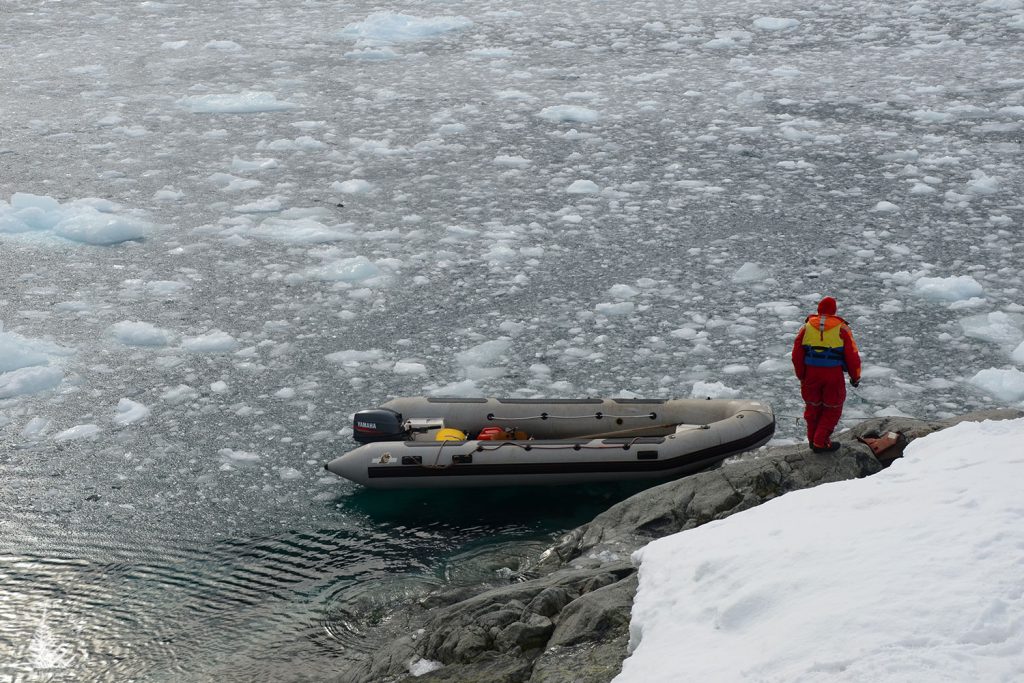
However, thanks to some well-timed jokes from the crew, I realized it was a universal struggle. There’s a very specific sensation when you’re heading back in a zodiac boat, bouncing over the waves like a high-speed theme park ride, while dealing with the “unpleasant thumping” of a very full bladder.
The Antarctic “Heatwave” (Level 1)
Occasionally, it was so mild I could ditch the hat and buff and walk around in light layers. This was “Category 1.” Even a light jacket felt like overkill. Near Galindez Island, where the Ukrainian station is located, temperatures usually hovered between –15°C and +5°C.
Since it was late summer/early autumn in West Antarctica, right on the coast, it was surprisingly “balmy” for this continent. On a cloudless day with the sun beating down and no wind, it could actually hit a staggering +5°C.
The Sudden Shifts
Of course, Antarctica doesn’t stay calm for long. Some nights, the wind would howl, the snow would fall, and the mercury would drop toward –20°C.
Then there are the full-blown hurricanes. The pressure drops sharply, the temperature jumps from −6°C to +4°C, and winds scream at 130 km/h. Everything around the station creaks, whistles, and moans. These gusts are strong enough to toss boats into the water, hurl waves against the buildings, flip half-full fuel barrels, and literally knock people off their feet.
How to dress for Antarctica. Finding the Sweet Spot
Most of the time, I was toggling between Categories “2” and “3,” which could swap places in an instant. This created a constant layering dilemma:
- The Struggle: If you wear thermals, a fleece, ski pants, and a heavy jacket, you’re perfect on a moving boat, but you’ll melt the moment you start hiking on an island.
- The Trade-off: If you go lighter—thin pants and a light jacket—you freeze on the water, but feel great once you start moving on land away from the spray and wind.
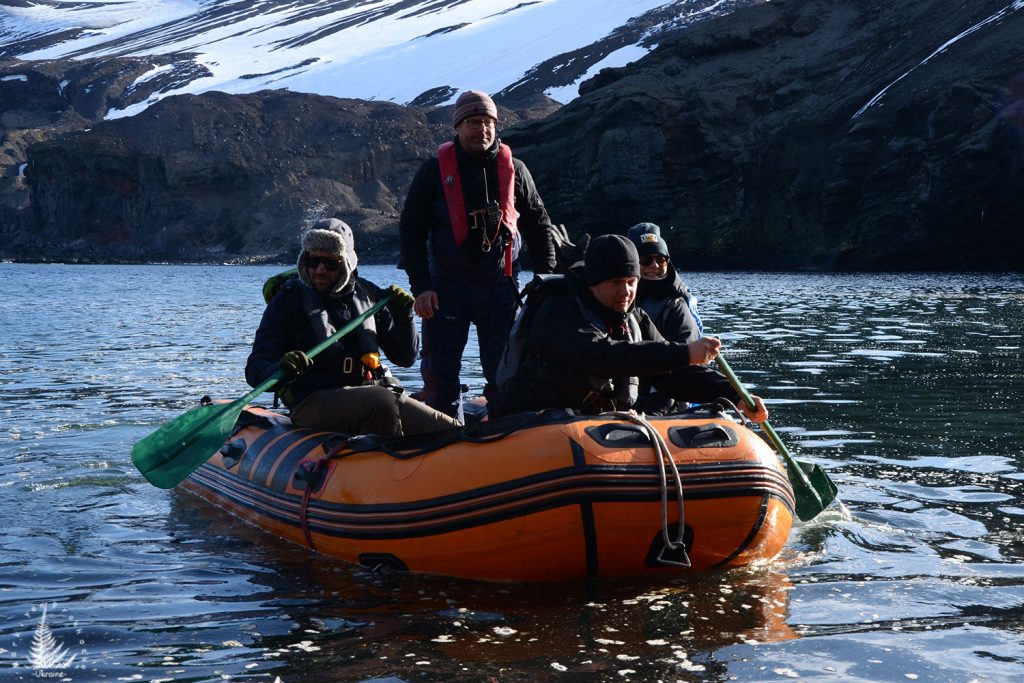
Eventually, I developed a “weather intuition,” learning to dress based on the distance of the boat trip and the look of the sky.
That said, my experience is just a scratch on the surface. It can’t compare to the veterans who sail these waters regularly or the “winterers” who spend the long, dark months living through the true Antarctic chill.
No responses yet